PRO QUALITY CAR CARE MADE EASY
Join millions of car enthusiasts and professionals globally who trust our cutting-edge.
easy-to-use car care products to protect,restore,and enhance their vehicles.

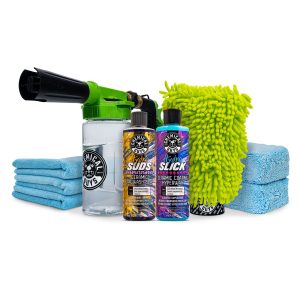
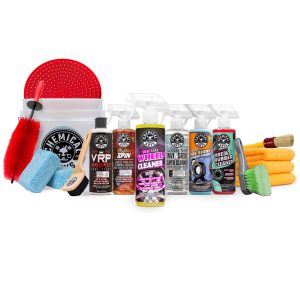
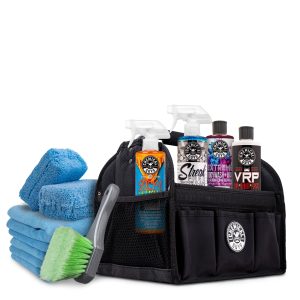
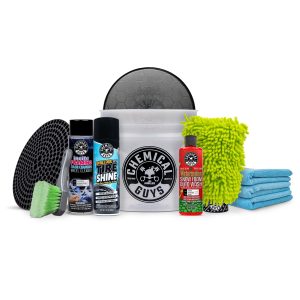
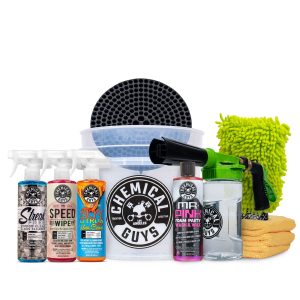
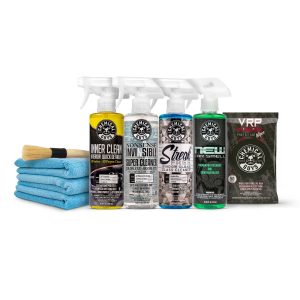
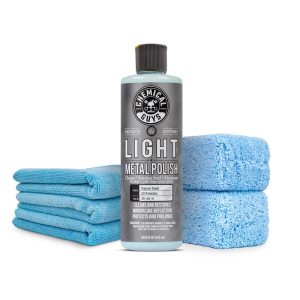
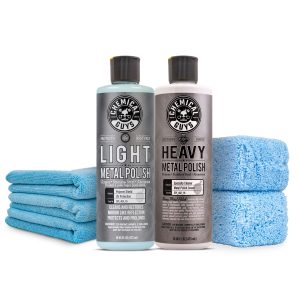
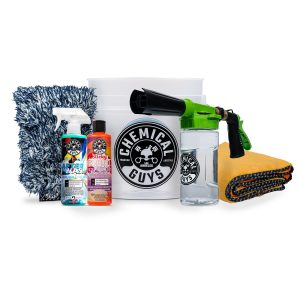
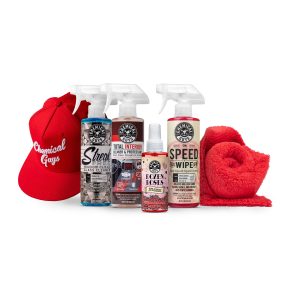
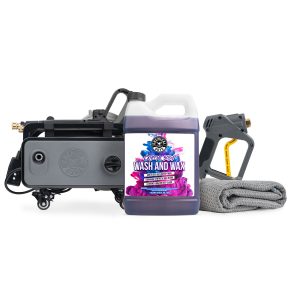
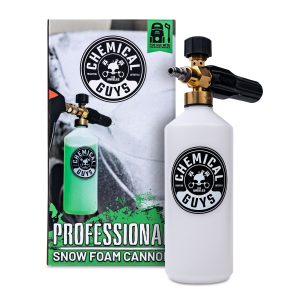
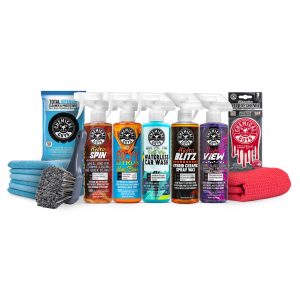
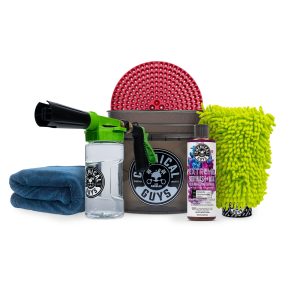
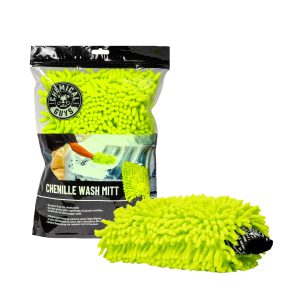
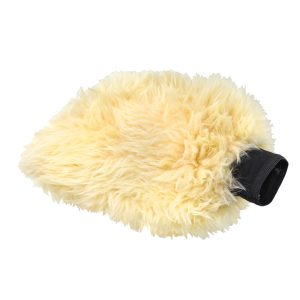
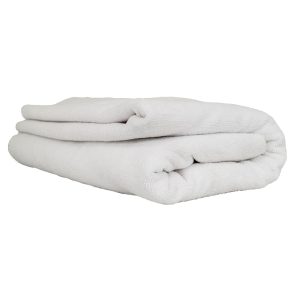
Achieving a brilliant, streak-free shine is the culmination of proper technique paired with a high-quality cleaning agent. Many individuals focus solely on the product’s attributes, but the manner in which the wash solution is applied and removed is equally important to the final outcome. The washing process should be approached as a multi-stage decontamination exercise, designed to systematically eliminate grime while maximizing surface protection. The core philosophy is to minimize mechanical agitation, making the solution do the majority of the heavy lifting.
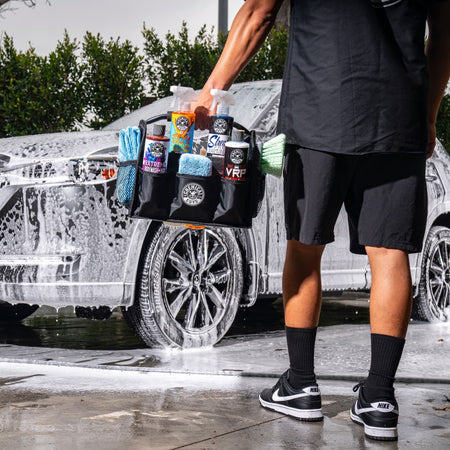
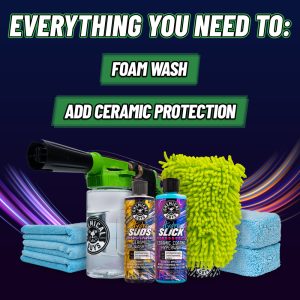
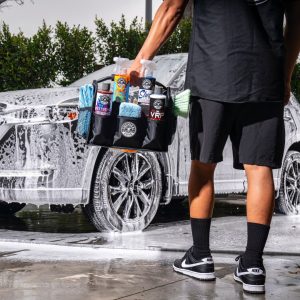
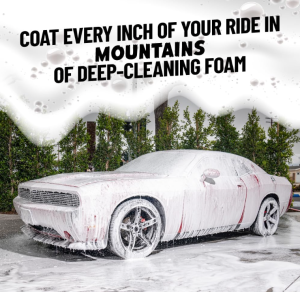
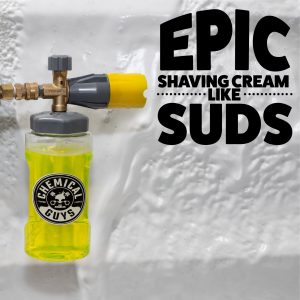
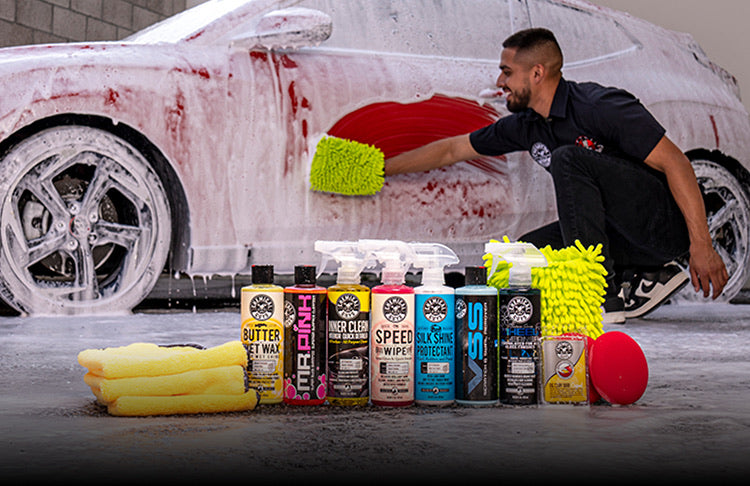
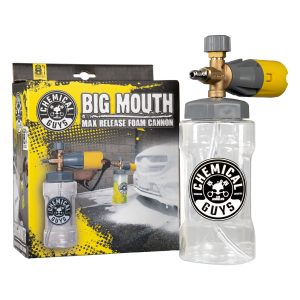
The first critical step involves a thorough pre-rinse to dislodge loose, heavy debris. High-pressure water is extremely effective at removing the top layer of dust and mud before any physical contact is made. This simple action immediately lowers the risk of scratching, as it takes the largest, most damaging particles out of the equation. Following the rinse, the application of a thick, dwelling foam solution, often via a foam generating tool, is highly recommended. This concentrated foam—using a premium liquid formula—should be allowed to sit on the surface for several minutes. During this “dwell time,” the active surfactants begin their work, dissolving oily films and lifting encrusted road film away from the paint. This pre-wash foam serves as a sacrificial layer, ensuring that the subsequent contact wash begins on a surface that is already partially decontaminated.
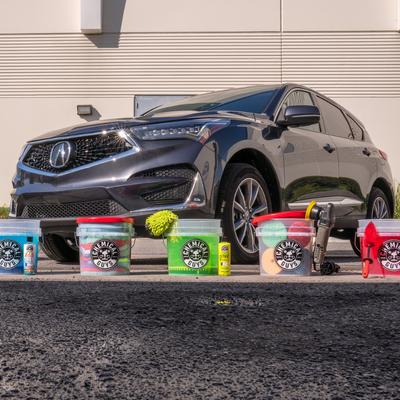
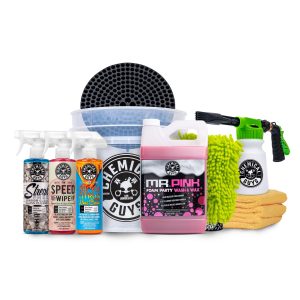
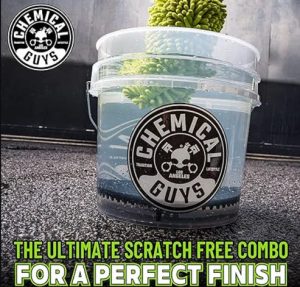
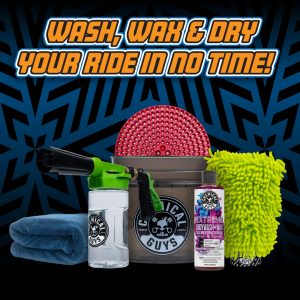
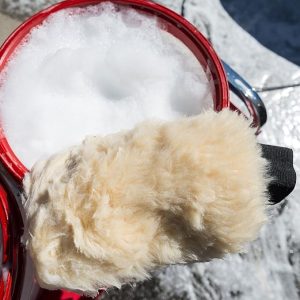
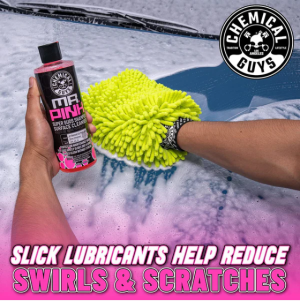
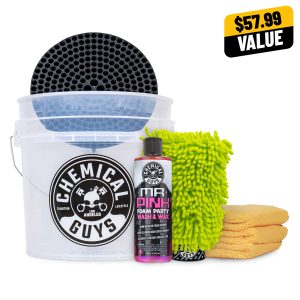
When moving to the contact wash phase, the method of application is crucial. The traditional single bucket system is outdated and counterproductive. Instead, the use of two separate buckets is a fundamental practice: one bucket filled with the prepared wash solution and the second bucket filled with clean, plain water. The purpose of the second bucket is to serve as a rinse for the washing mitt or pad before it is dipped back into the clean soap solution. After cleaning a small section of the vehicle, the mitt is first scrubbed against a grit guard at the bottom of the rinse water bucket, removing embedded contaminants, and then reloaded with fresh suds from the wash bucket. This two-bucket approach prevents the reintroduction of abrasive particles back onto the vehicle’s finish, which is a major source of minor scratches and swirl marks over time.
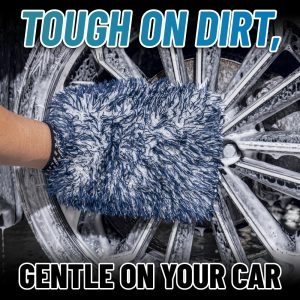
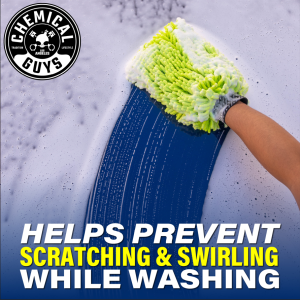
The proper implement for the contact wash is also non-negotiable. Natural sponges or cloths can trap and hold sharp debris. Modern washing mitts, typically made of high-quality microfiber or chenille, are preferred because they allow the grit to migrate deep into the fibers, pulling it away from the paint surface. The washing motion should be gentle and move in straight lines—never circular. Circular motions tend to create the visible swirl marks that detract from the finish’s depth. By cleaning in straight, overlapping passes, any minor blemishes that may occur are less noticeable to the human eye, which is less sensitive to straight-line imperfections than it is to circular ones.
Rinsing is the final, pivotal step that determines the difference between a clean vehicle and a perfectly finished one. Once the entire exterior has been cleaned, a comprehensive final rinse is required to remove all traces of the cleaning fluid. Even the most $text{pH}$-neutral, residue-free liquid can leave minor spotting if allowed to dry on the surface. For the ultimate finish, a technique called “sheeting” is highly effective. Instead of spraying jets of high-pressure water, which can leave standing droplets, the nozzle is removed, and a low, flood-like stream of water is allowed to flow over the vehicle. This action encourages the water to run off in large sheets, taking remaining soap residue and standing water with it. As previously noted, the polymer additives in premium wash solutions facilitate this exact action.
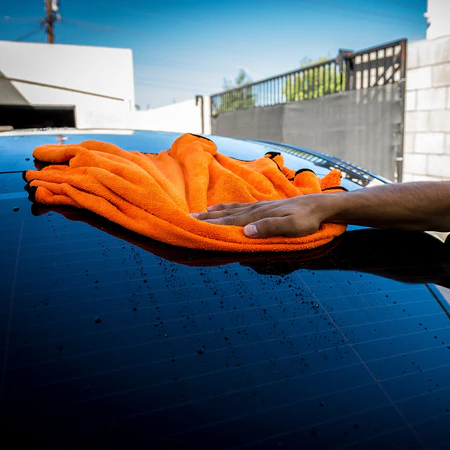
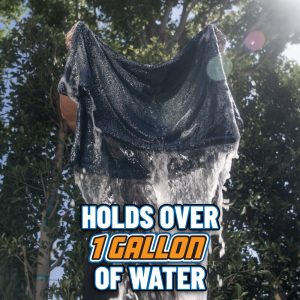
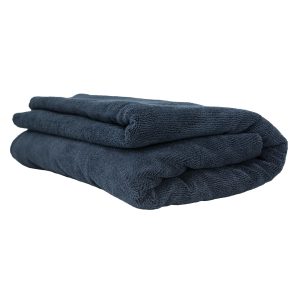
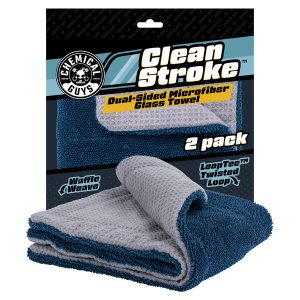
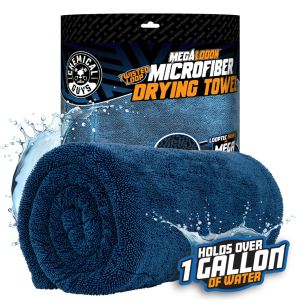
The immediate post-wash drying process is the last opportunity to introduce surface defects, and must be done with extreme care. Air drying is often the safest method, but for environments where mineral-heavy water is used, it can lead to severe water spotting. Therefore, a quick, efficient drying process is necessary. Ultra-soft, highly absorbent drying towels, specifically designed for vehicle finishes, are the best choice. These towels are engineered to soak up large volumes of water without needing to be rubbed aggressively against the paint. A light blotting or gentle drag across the surface is all that should be necessary to achieve a flawless, bone-dry finish.
In conclusion, the efficacy of the chosen washing liquid is maximized when integrated into a meticulous, friction-minimizing regimen. From the initial high-pressure rinse and foam application, through the disciplined use of the two-bucket method, to the final sheeting rinse and gentle drying, every step is a deliberate safeguard against surface imperfection. The interaction between a lubricating, $text{pH}$-balanced fluid and the proper technique is what transforms a routine cleaning into a restorative process, ensuring the exterior’s deep color and reflective brilliance are preserved for the long term.